
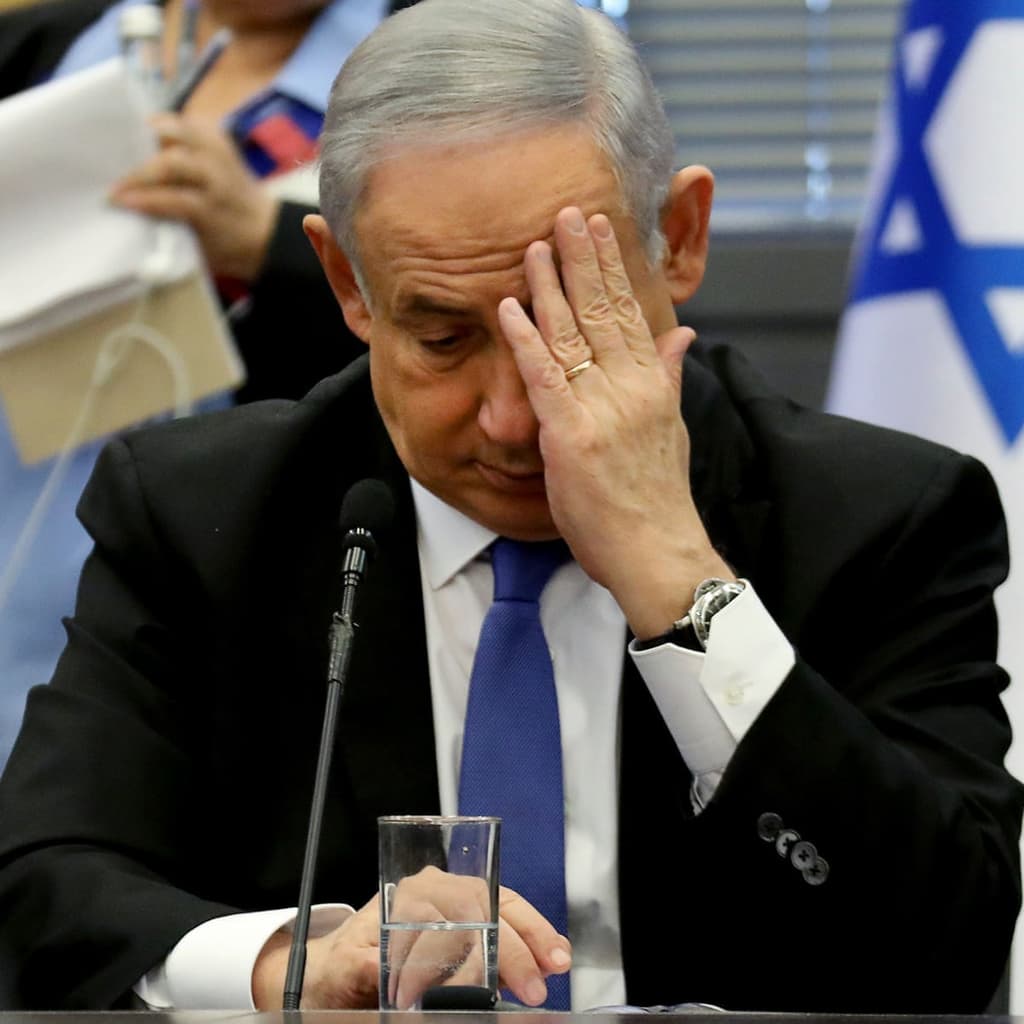
**Israel’s October 27, 2026, Knesset election serves as the central driver for expectations around Prime Minister Benjamin Netanyahu’s tenure.** The vote, held after the current coalition completed a full four-year term, functions as a referendum on his leadership amid ongoing conflicts in Gaza, Lebanon, and Iran, plus lingering criticism over the October 2023 Hamas attack. Recent polls show a fragmented race, with Gadi Eisenkot’s Yashar party frequently edging Likud and Netanyahu’s broader right-wing bloc projected near or below the 61-seat majority threshold. Netanyahu has confirmed he will run, pursued list mergers among allies to boost turnout, and signaled openness to a broad national government while retaining core partners. Post-election coalition talks, which could extend weeks or months, and potential legal or international pressures if he loses office remain key variables that could determine the timing of any transition.
Experimental AI-generated summary referencing Polymarket data. This is not trading advice and plays no role in how this market resolves. · UpdatedNetanyahu meets Trump amid widening gaps on Iran war management
December 31 dips to 40%4%
The meeting between Netanyahu and Trump highlighted growing differences on handling the Iran conflict, underscoring diplomatic strains that influenced market perceptions of Netanyahu's political durability.
Netanyahu lands in Washington ahead of meeting with Trump
Netanyahu's July 27, 2026 visit to Washington for a meeting with US President Donald Trump focused on the Iran war and election support, highlighting his active campaign and international engagement ahead of elections.


Beware of external links.
Beware of external links.
Frequently Asked Questions