Per fare trading negli USA, vai su polymarket.us

icon for Il traffico dello Stretto di Hormuz torna alla normalità entro il 31 dicembre?

Il traffico dello Stretto di Hormuz torna alla normalità entro il 31 dicembre?

icon for Il traffico dello Stretto di Hormuz torna alla normalità entro il 31 dicembre?

Il traffico dello Stretto di Hormuz torna alla normalità entro il 31 dicembre?

20% probabilità
Polymarket

$11,975,198 Vol.

20% probabilità
Polymarket

$11,975,198 Vol.

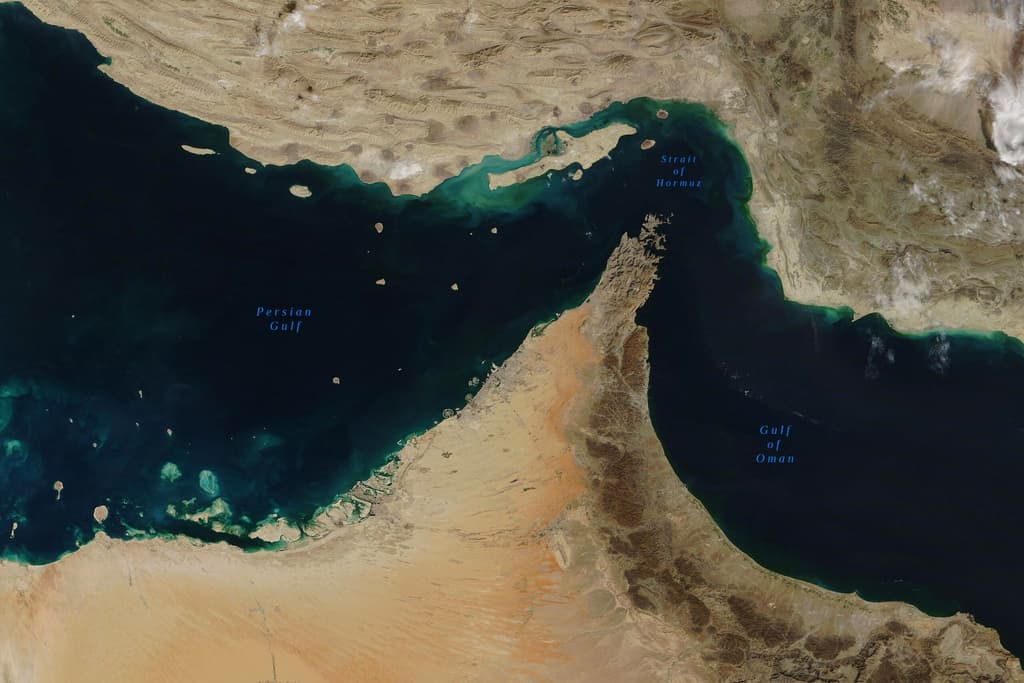
This market will resolve to “Yes” if IMF Portwatch publishes a 7-day moving average of transit calls (“Arrivals of Ships”) for the Strait of Hormuz equal to or above 60 for any date between market creation and December 31, 2026. Otherwise, this market will resolve to “No”. Daily transit calls include container, dry bulk, roll-on/roll-off, general cargo, and tanker ships. Ships not reported by IMF Portwatch will not be considered. This market will resolve as soon as IMF Portwatch publishes a 7-day moving average of transit calls equal to or above the specified level, or once data has been published for the final date in the specified period and no such value has been published. If no data has been published for the final date of the specified period within 14 calendar days (ET) after the end of that period, this market will resolve based on data published up to that point. Revisions to previously published data points made within this market’s timeframe will be considered. However, they will not disqualify a previously published data point from qualifying. Revisions to previously published data points after data is published for December 31, 2026, however, will not be considered. In case of obvious data integrity issues (i.e., erroneous data), the market may remain open until the end of the third calendar day (ET) after the date on which such data is first released to allow for corrections. Data integrity issues refer only to clerical or other similar errors in the underlying data, and do not include cases where IMF Portwatch differs from alternative sources. The resolution source for this market will be IMF Portwatch, specifically the transit calls data published for the Strait of Hormuz at https://portwatch.imf.org/pages/cb5856222a5b4105adc6ee7e880a1730, both in the chart and through downloadable files.Traders assign an 81.5% implied probability that Strait of Hormuz traffic will not return to normal by December 31 amid the ongoing US-Iran stalemate that began with the February 28, 2026 conflict. Recent shipping data show visible transits at roughly 5–12 vessels per weekend—about 6% of the pre-war average of 125 daily commercial passages—due to persistent security risks, mine threats, and Iranian enforcement of controlled routes. Iranian officials, including Parliament Speaker Mohammad Bagher Ghalibaf, have explicitly conditioned any reopening on US fulfillment of demands such as lifting port blockades, oil sanctions, and asset freezes. With no verified progress toward those concessions and traffic remaining severely restricted into late September, the consensus reflects structural barriers to rapid normalization rather than short-term diplomatic momentum.

This market will resolve to “Yes” if IMF Portwatch publishes a 7-day moving average of transit calls (“Arrivals of Ships”) for the Strait of Hormuz equal to or above 60 for any date between market creation and December 31, 2026. Otherwise, this market will resolve to “No”.

Daily transit calls include container, dry bulk, roll-on/roll-off, general cargo, and tanker ships. Ships not reported by IMF Portwatch will not be considered.

This market will resolve as soon as IMF Portwatch publishes a 7-day moving average of transit calls equal to or above the specified level, or once data has been published for the final date in the specified period and no such value has been published. If no data has been published for the final date of the specified period within 14 calendar days (ET) after the end of that period, this market will resolve based on data published up to that point.

Revisions to previously published data points made within this market’s timeframe will be considered. However, they will not disqualify a previously published data point from qualifying. Revisions to previously published data points after data is published for December 31, 2026, however, will not be considered.

In case of obvious data integrity issues (i.e., erroneous data), the market may remain open until the end of the third calendar day (ET) after the date on which such data is first released to allow for corrections. Data integrity issues refer only to clerical or other similar errors in the underlying data, and do not include cases where IMF Portwatch differs from alternative sources.

The resolution source for this market will be IMF Portwatch, specifically the transit calls data published for the Strait of Hormuz at https://portwatch.imf.org/pages/cb5856222a5b4105adc6ee7e880a1730, both in the chart and through downloadable files.
This market will resolve to “Yes” if IMF Portwatch publishes a 7-day moving average of transit calls (“Arrivals of Ships”) for the Strait of Hormuz equal to or above 60 for any date between market creation and December 31, 2026. Otherwise, this market will resolve to “No”. Daily transit calls include container, dry bulk, roll-on/roll-off, general cargo, and tanker ships. Ships not reported by IMF Portwatch will not be considered. This market will resolve as soon as IMF Portwatch publishes a 7-day moving average of transit calls equal to or above the specified level, or once data has been published for the final date in the specified period and no such value has been published. If no data has been published for the final date of the specified period within 14 calendar days (ET) after the end of that period, this market will resolve based on data published up to that point. Revisions to previously published data points made within this market’s timeframe will be considered. However, they will not disqualify a previously published data point from qualifying. Revisions to previously published data points after data is published for December 31, 2026, however, will not be considered. In case of obvious data integrity issues (i.e., erroneous data), the market may remain open until the end of the third calendar day (ET) after the date on which such data is first released to allow for corrections. Data integrity issues refer only to clerical or other similar errors in the underlying data, and do not include cases where IMF Portwatch differs from alternative sources. The resolution source for this market will be IMF Portwatch, specifically the transit calls data published for the Strait of Hormuz at https://portwatch.imf.org/pages/cb5856222a5b4105adc6ee7e880a1730, both in the chart and through downloadable files.
Volume
$11,975,198
Data di fine
1 gen 2027
Mercato aperto
May 11, 2026, 8:59 AM ET

Risolutore

0x65070BE91...
This market will resolve to “Yes” if IMF Portwatch publishes a 7-day moving average of transit calls (“Arrivals of Ships”) for the Strait of Hormuz equal to or above 60 for any date between market creation and December 31, 2026. Otherwise, this market will resolve to “No”. Daily transit calls include container, dry bulk, roll-on/roll-off, general cargo, and tanker ships. Ships not reported by IMF Portwatch will not be considered. This market will resolve as soon as IMF Portwatch publishes a 7-day moving average of transit calls equal to or above the specified level, or once data has been published for the final date in the specified period and no such value has been published. If no data has been published for the final date of the specified period within 14 calendar days (ET) after the end of that period, this market will resolve based on data published up to that point. Revisions to previously published data points made within this market’s timeframe will be considered. However, they will not disqualify a previously published data point from qualifying. Revisions to previously published data points after data is published for December 31, 2026, however, will not be considered. In case of obvious data integrity issues (i.e., erroneous data), the market may remain open until the end of the third calendar day (ET) after the date on which such data is first released to allow for corrections. Data integrity issues refer only to clerical or other similar errors in the underlying data, and do not include cases where IMF Portwatch differs from alternative sources. The resolution source for this market will be IMF Portwatch, specifically the transit calls data published for the Strait of Hormuz at https://portwatch.imf.org/pages/cb5856222a5b4105adc6ee7e880a1730, both in the chart and through downloadable files.Traders assign an 81.5% implied probability that Strait of Hormuz traffic will not return to normal by December 31 amid the ongoing US-Iran stalemate that began with the February 28, 2026 conflict. Recent shipping data show visible transits at roughly 5–12 vessels per weekend—about 6% of the pre-war average of 125 daily commercial passages—due to persistent security risks, mine threats, and Iranian enforcement of controlled routes. Iranian officials, including Parliament Speaker Mohammad Bagher Ghalibaf, have explicitly conditioned any reopening on US fulfillment of demands such as lifting port blockades, oil sanctions, and asset freezes. With no verified progress toward those concessions and traffic remaining severely restricted into late September, the consensus reflects structural barriers to rapid normalization rather than short-term diplomatic momentum.

This market will resolve to “Yes” if IMF Portwatch publishes a 7-day moving average of transit calls (“Arrivals of Ships”) for the Strait of Hormuz equal to or above 60 for any date between market creation and December 31, 2026. Otherwise, this market will resolve to “No”.

Daily transit calls include container, dry bulk, roll-on/roll-off, general cargo, and tanker ships. Ships not reported by IMF Portwatch will not be considered.

This market will resolve as soon as IMF Portwatch publishes a 7-day moving average of transit calls equal to or above the specified level, or once data has been published for the final date in the specified period and no such value has been published. If no data has been published for the final date of the specified period within 14 calendar days (ET) after the end of that period, this market will resolve based on data published up to that point.

Revisions to previously published data points made within this market’s timeframe will be considered. However, they will not disqualify a previously published data point from qualifying. Revisions to previously published data points after data is published for December 31, 2026, however, will not be considered.

In case of obvious data integrity issues (i.e., erroneous data), the market may remain open until the end of the third calendar day (ET) after the date on which such data is first released to allow for corrections. Data integrity issues refer only to clerical or other similar errors in the underlying data, and do not include cases where IMF Portwatch differs from alternative sources.

The resolution source for this market will be IMF Portwatch, specifically the transit calls data published for the Strait of Hormuz at https://portwatch.imf.org/pages/cb5856222a5b4105adc6ee7e880a1730, both in the chart and through downloadable files.
This market will resolve to “Yes” if IMF Portwatch publishes a 7-day moving average of transit calls (“Arrivals of Ships”) for the Strait of Hormuz equal to or above 60 for any date between market creation and December 31, 2026. Otherwise, this market will resolve to “No”. Daily transit calls include container, dry bulk, roll-on/roll-off, general cargo, and tanker ships. Ships not reported by IMF Portwatch will not be considered. This market will resolve as soon as IMF Portwatch publishes a 7-day moving average of transit calls equal to or above the specified level, or once data has been published for the final date in the specified period and no such value has been published. If no data has been published for the final date of the specified period within 14 calendar days (ET) after the end of that period, this market will resolve based on data published up to that point. Revisions to previously published data points made within this market’s timeframe will be considered. However, they will not disqualify a previously published data point from qualifying. Revisions to previously published data points after data is published for December 31, 2026, however, will not be considered. In case of obvious data integrity issues (i.e., erroneous data), the market may remain open until the end of the third calendar day (ET) after the date on which such data is first released to allow for corrections. Data integrity issues refer only to clerical or other similar errors in the underlying data, and do not include cases where IMF Portwatch differs from alternative sources. The resolution source for this market will be IMF Portwatch, specifically the transit calls data published for the Strait of Hormuz at https://portwatch.imf.org/pages/cb5856222a5b4105adc6ee7e880a1730, both in the chart and through downloadable files.
Volume
$11,975,198
Data di fine
1 gen 2027
Mercato aperto
May 11, 2026, 8:59 AM ET

Risolutore

0x65070BE91...

Fai attenzione ai link esterni.

Domande frequenti

"Il traffico dello Stretto di Hormuz torna alla normalità entro il 31 dicembre?" è un mercato predittivo su Polymarket con 2 possibili esiti dove i trader comprano e vendono azioni in base a ciò che credono accadrà. L'esito attualmente in testa è "Il traffico nello Stretto di Hormuz tornerà alla normalità entro il 31 dicembre?" a 20%. I prezzi riflettono probabilità aggregate in tempo reale. Ad esempio, un'azione quotata a 20¢ implica che il mercato assegna collettivamente una probabilità di 20% a quell'esito. Queste quote cambiano continuamente man mano che i trader reagiscono a nuovi sviluppi e informazioni. Le azioni nell'esito corretto possono essere riscattate per $1 ciascuna alla risoluzione del mercato.

Ad oggi, "Il traffico dello Stretto di Hormuz torna alla normalità entro il 31 dicembre?" ha generato $12 million in volume totale di trading dal lancio del mercato il May 11, 2026. Questo livello di attività di trading riflette un forte coinvolgimento della comunità Polymarket e contribuisce a garantire che le quote attuali siano informate da un ampio pool di partecipanti al mercato. Puoi seguire i movimenti di prezzo in tempo reale e fare trading su qualsiasi esito direttamente su questa pagina.

Per fare trading su "Il traffico dello Stretto di Hormuz torna alla normalità entro il 31 dicembre?", esplora i 2 esiti disponibili elencati in questa pagina. Ogni esito mostra un prezzo corrente che rappresenta la probabilità implicita del mercato. Per prendere una posizione, seleziona l'esito che ritieni più probabile, scegli "Sì" per fare trading a suo favore o "No" per fare trading contro di esso, inserisci il tuo importo e clicca "Trading". Se il tuo esito scelto è corretto alla risoluzione del mercato, le tue azioni "Sì" pagano $1 ciascuna. Se è errato, pagano $0. Puoi anche vendere le tue azioni in qualsiasi momento prima della risoluzione se vuoi consolidare un profitto o limitare una perdita.

L'attuale favorito per "Il traffico dello Stretto di Hormuz torna alla normalità entro il 31 dicembre?" è "Il traffico nello Stretto di Hormuz tornerà alla normalità entro il 31 dicembre?" a 20%, il che significa che il mercato assegna una probabilità di 20% a quell'esito. Queste quote si aggiornano in tempo reale man mano che i trader comprano e vendono azioni, quindi riflettono l'ultima visione collettiva di ciò che è più probabile che accada. Controlla frequentemente o aggiungi questa pagina ai preferiti per seguire come cambiano le quote man mano che emergono nuove informazioni.

Le regole di risoluzione per "Il traffico dello Stretto di Hormuz torna alla normalità entro il 31 dicembre?" definiscono esattamente cosa deve accadere affinché ogni esito venga dichiarato vincitore — comprese le fonti di dati ufficiali utilizzate per determinare il risultato. Puoi consultare i criteri completi di risoluzione nella sezione "Regole" di questa pagina sopra i commenti. Ti consigliamo di leggere attentamente le regole prima di fare trading, poiché specificano le condizioni precise, i casi limite e le fonti che regolano come viene risolto questo mercato.