

**Ongoing Iran-US tensions and Iranian assertions of control over the Strait of Hormuz have suppressed commercial transits to a small fraction of pre-2026 levels, with daily volumes often in the single digits to low twenties amid risks from harassment, route restrictions, and elevated insurance costs.** Since the conflict escalated in late February 2026, Iran has enforced permissions, VHF hails, and occasional strikes or turn-back orders, particularly targeting the southern Omani corridor, while the US has facilitated select transits and maintained elements of a blockade on Iranian-linked shipping. As of mid-September 2026, AIS-visible traffic averaged around 5–8 vessels per day (roughly 6–20% of normal ~100–140 daily pre-conflict levels), supplemented by dark transits and US-stated facilitated movements averaging ~20–24 per day in recent reporting. Iranian officials have stated that full normalization requires unmet conditions, and recent weeks have seen continued surveillance, GNSS interference, and isolated incidents without a complete halt. Traders assess the likelihood of a zero-transit day against these structural barriers and the persistence of limited flows through approved or protected routes. Scheduled diplomatic or military developments in the coming weeks could shift volumes sharply in either direction.
Experimental AI-generated summary referencing Polymarket data. This is not trading advice and plays no role in how this market resolves. · Updated0 ships transit Hormuz on any date by..?
0 ships transit Hormuz on any date by..?
$842,182 Vol.
September 30
14%
October 31
21%
$842,182 Vol.
September 30
14%
October 31
21%
Transit calls include container, dry bulk, roll-on/roll-off, general cargo, and tanker ships. Ships not reported by IMF PortWatch will not be considered.
This market will resolve as soon as IMF PortWatch publishes a daily number of transit calls equal to 0, or once complete data has been published for the specified period without such a publication. If complete data for the specified period has not been published within 28 calendar days of the end of the specified period, this market will resolve based on data published up to that point.
In case of obvious data integrity issues (i.e., erroneous data), the market may remain open until the end of the third calendar day (ET) after the date on which such data is first released to allow for corrections. Data integrity issues refer only to clerical or other similar errors in the underlying data, and do not include cases where IMF PortWatch differs from alternative sources. Revisions to previously published data points made within this market’s timeframe will be considered. However, they will not disqualify a previously published data point from qualifying except in the case of data integrity issues.
The resolution source for this market will be IMF PortWatch, specifically the transit calls data published for the Strait of Hormuz at https://portwatch.imf.org/pages/cb5856222a5b4105adc6ee7e880a1730, both in the chart and through downloadable files.
Market Opened: Aug 26, 2026, 10:56 AM ET
Resolver
0x65070BE91...Transit calls include container, dry bulk, roll-on/roll-off, general cargo, and tanker ships. Ships not reported by IMF PortWatch will not be considered.
This market will resolve as soon as IMF PortWatch publishes a daily number of transit calls equal to 0, or once complete data has been published for the specified period without such a publication. If complete data for the specified period has not been published within 28 calendar days of the end of the specified period, this market will resolve based on data published up to that point.
In case of obvious data integrity issues (i.e., erroneous data), the market may remain open until the end of the third calendar day (ET) after the date on which such data is first released to allow for corrections. Data integrity issues refer only to clerical or other similar errors in the underlying data, and do not include cases where IMF PortWatch differs from alternative sources. Revisions to previously published data points made within this market’s timeframe will be considered. However, they will not disqualify a previously published data point from qualifying except in the case of data integrity issues.
The resolution source for this market will be IMF PortWatch, specifically the transit calls data published for the Strait of Hormuz at https://portwatch.imf.org/pages/cb5856222a5b4105adc6ee7e880a1730, both in the chart and through downloadable files.
Resolver
0x65070BE91...**Ongoing Iran-US tensions and Iranian assertions of control over the Strait of Hormuz have suppressed commercial transits to a small fraction of pre-2026 levels, with daily volumes often in the single digits to low twenties amid risks from harassment, route restrictions, and elevated insurance costs.** Since the conflict escalated in late February 2026, Iran has enforced permissions, VHF hails, and occasional strikes or turn-back orders, particularly targeting the southern Omani corridor, while the US has facilitated select transits and maintained elements of a blockade on Iranian-linked shipping. As of mid-September 2026, AIS-visible traffic averaged around 5–8 vessels per day (roughly 6–20% of normal ~100–140 daily pre-conflict levels), supplemented by dark transits and US-stated facilitated movements averaging ~20–24 per day in recent reporting. Iranian officials have stated that full normalization requires unmet conditions, and recent weeks have seen continued surveillance, GNSS interference, and isolated incidents without a complete halt. Traders assess the likelihood of a zero-transit day against these structural barriers and the persistence of limited flows through approved or protected routes. Scheduled diplomatic or military developments in the coming weeks could shift volumes sharply in either direction.
Experimental AI-generated summary referencing Polymarket data. This is not trading advice and plays no role in how this market resolves. · Updated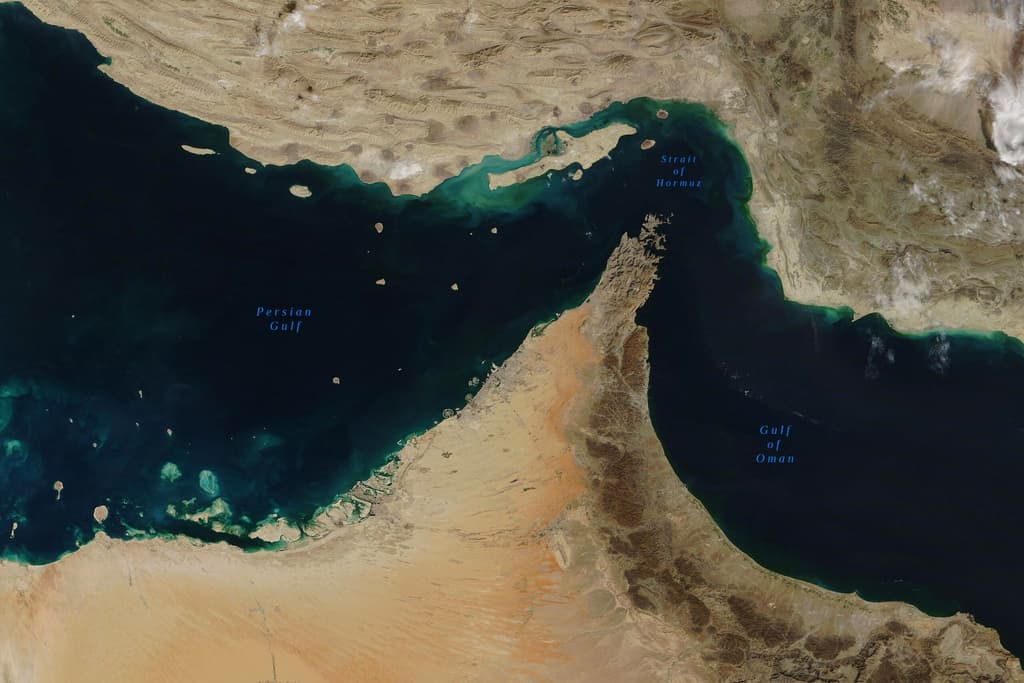
Beware of external links.
Beware of external links.
Frequently Asked Questions