

**Ongoing Iran-US tensions and Iranian assertions of control over the Strait of Hormuz continue to suppress commercial traffic well below pre-2026 levels, with daily transits often limited to single digits amid enforcement actions, attacks on vessels, and operator caution.** Following the collapse of a June 2026 ceasefire and US strikes on Iranian targets, Iran has conditioned normalized passage on sanctions relief and other demands, while directing ships to approved routes and conducting surveillance or turn-back operations. Recent incidents, including missile and drone strikes on commercial vessels, have sustained elevated war-risk premiums and prompted rerouting or dark transits. As of mid-September 2026, limited flows persist—sometimes under naval escort—with Saudi exports increasing via the strait after pipeline disruptions, but overall volumes remain a fraction of historical norms due to sanctions exposure, insurance constraints, and unresolved diplomatic talks. Key near-term catalysts include any escalation in military exchanges, progress (or stalemate) in negotiations, and seasonal shipping patterns that could test whether zero-transit days materialize.
สรุปจาก AI ทดลองที่อ้างอิงข้อมูลจาก Polymarket ไม่ใช่คำแนะนำในการเทรดและไม่มีผลต่อการตัดสินตลาดนี้ · อัปเดตแล้ว0 ships transit Hormuz on any date by..?
0 ships transit Hormuz on any date by..?
$842,319 ปริมาณ
September 30
14%
October 31
31%
$842,319 ปริมาณ
September 30
14%
October 31
31%
Transit calls include container, dry bulk, roll-on/roll-off, general cargo, and tanker ships. Ships not reported by IMF PortWatch will not be considered.
This market will resolve as soon as IMF PortWatch publishes a daily number of transit calls equal to 0, or once complete data has been published for the specified period without such a publication. If complete data for the specified period has not been published within 28 calendar days of the end of the specified period, this market will resolve based on data published up to that point.
In case of obvious data integrity issues (i.e., erroneous data), the market may remain open until the end of the third calendar day (ET) after the date on which such data is first released to allow for corrections. Data integrity issues refer only to clerical or other similar errors in the underlying data, and do not include cases where IMF PortWatch differs from alternative sources. Revisions to previously published data points made within this market’s timeframe will be considered. However, they will not disqualify a previously published data point from qualifying except in the case of data integrity issues.
The resolution source for this market will be IMF PortWatch, specifically the transit calls data published for the Strait of Hormuz at https://portwatch.imf.org/pages/cb5856222a5b4105adc6ee7e880a1730, both in the chart and through downloadable files.
ตลาดเปิดเมื่อ: Aug 26, 2026, 10:56 AM ET
ผู้ตัดสินผล
0x65070BE91...Transit calls include container, dry bulk, roll-on/roll-off, general cargo, and tanker ships. Ships not reported by IMF PortWatch will not be considered.
This market will resolve as soon as IMF PortWatch publishes a daily number of transit calls equal to 0, or once complete data has been published for the specified period without such a publication. If complete data for the specified period has not been published within 28 calendar days of the end of the specified period, this market will resolve based on data published up to that point.
In case of obvious data integrity issues (i.e., erroneous data), the market may remain open until the end of the third calendar day (ET) after the date on which such data is first released to allow for corrections. Data integrity issues refer only to clerical or other similar errors in the underlying data, and do not include cases where IMF PortWatch differs from alternative sources. Revisions to previously published data points made within this market’s timeframe will be considered. However, they will not disqualify a previously published data point from qualifying except in the case of data integrity issues.
The resolution source for this market will be IMF PortWatch, specifically the transit calls data published for the Strait of Hormuz at https://portwatch.imf.org/pages/cb5856222a5b4105adc6ee7e880a1730, both in the chart and through downloadable files.
ผู้ตัดสินผล
0x65070BE91...**Ongoing Iran-US tensions and Iranian assertions of control over the Strait of Hormuz continue to suppress commercial traffic well below pre-2026 levels, with daily transits often limited to single digits amid enforcement actions, attacks on vessels, and operator caution.** Following the collapse of a June 2026 ceasefire and US strikes on Iranian targets, Iran has conditioned normalized passage on sanctions relief and other demands, while directing ships to approved routes and conducting surveillance or turn-back operations. Recent incidents, including missile and drone strikes on commercial vessels, have sustained elevated war-risk premiums and prompted rerouting or dark transits. As of mid-September 2026, limited flows persist—sometimes under naval escort—with Saudi exports increasing via the strait after pipeline disruptions, but overall volumes remain a fraction of historical norms due to sanctions exposure, insurance constraints, and unresolved diplomatic talks. Key near-term catalysts include any escalation in military exchanges, progress (or stalemate) in negotiations, and seasonal shipping patterns that could test whether zero-transit days materialize.
สรุปจาก AI ทดลองที่อ้างอิงข้อมูลจาก Polymarket ไม่ใช่คำแนะนำในการเทรดและไม่มีผลต่อการตัดสินตลาดนี้ · อัปเดตแล้ว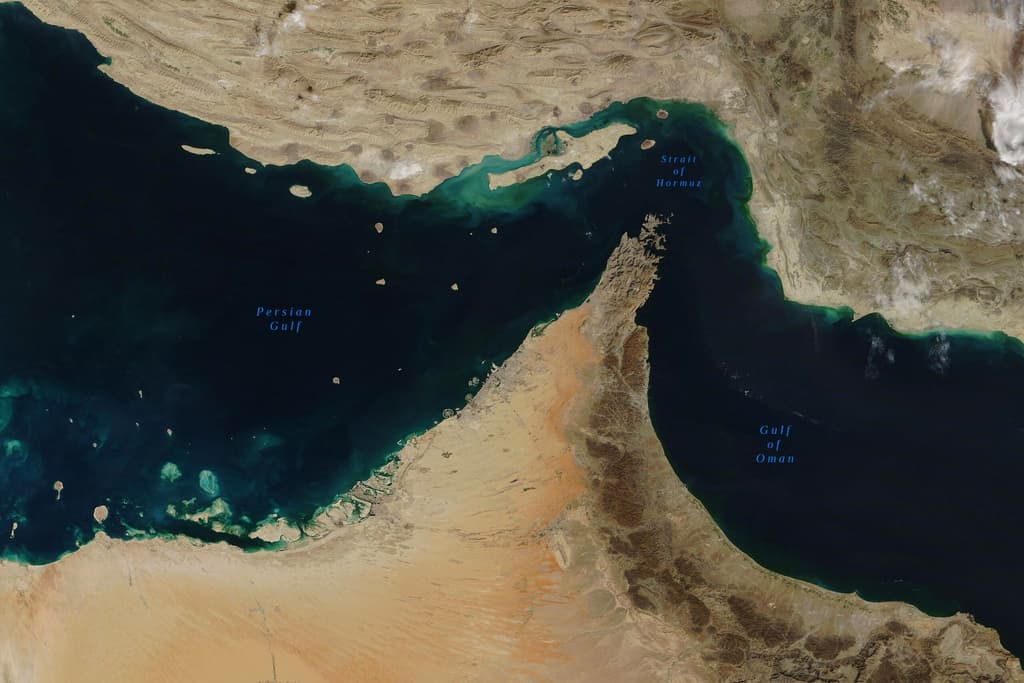
ระวังลิงก์ภายนอก
ระวังลิงก์ภายนอก
คำถามที่พบบ่อย