
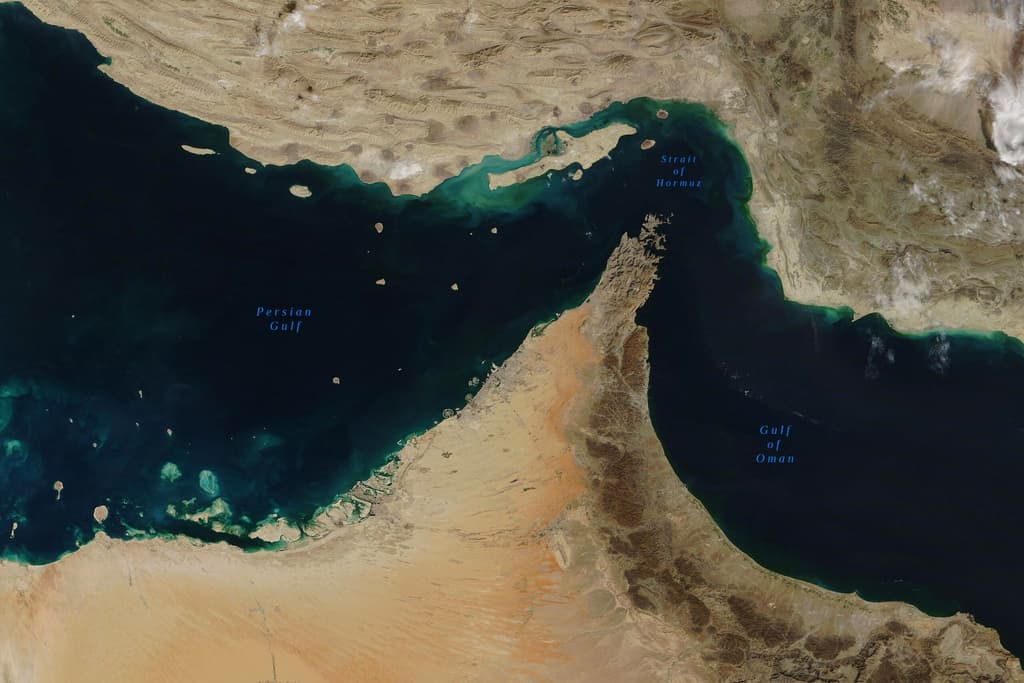
Escalating Iran-US tensions and repeated IRGC strikes on commercial vessels continue to dominate trader sentiment for Hormuz shipping markets. Multiple attacks occurred in September 2026, including projectile strikes on tankers reported by UKMTO on September 16 and 18, alongside IRGC claims of targeting "illegal crossings." These incidents sustain elevated maritime risk, reducing transit volumes and lifting insurance premiums while supporting Brent crude near $98 and WTI around $72-75 per barrel. Persistent disruptions through the critical oil chokepoint—handling roughly 20% of global seaborne crude—amplify volatility in energy benchmarks and tanker rates. Key near-term catalysts include potential US responses, diplomatic signals, and further data on daily transits or confirmed strikes that could shift implied probabilities on date-specific resolution contracts.
สรุปจาก AI ทดลองที่อ้างอิงข้อมูลจาก Polymarket ไม่ใช่คำแนะนำในการเทรดและไม่มีผลต่อการตัดสินตลาดนี้ · อัปเดตแล้วShipping successfully targeted in Hormuz on...?
Shipping successfully targeted in Hormuz on...?
September 18
81%
September 19
60%
September 20
65%
September 21
39%
September 22
54%
September 23
62%
September 24
25%
September 25
25%
September 26
26%
September 27
25%
September 28
25%
September 29
57%
September 30
48%
$5,075 ปริมาณ
September 18
81%
September 19
60%
September 20
65%
September 21
39%
September 22
54%
September 23
62%
September 24
25%
September 25
25%
September 26
26%
September 27
25%
September 28
25%
September 29
57%
September 30
48%
The defined area consists of the Persian Gulf, the Strait of Hormuz, and the Gulf of Oman. An incident occurring outside these three bodies of water will not qualify, including in the Arabian Sea, the Gulf of Aden, or the Red Sea.
No attribution is required. A qualifying incident will count regardless of the identity of the party responsible, regardless of whether any state or group claims responsibility, and regardless of whether responsibility is denied, disputed, or never established.
Attacks on military vessels will not be considered.
Missile/drone strikes targeting a ship that are intercepted or otherwise do not directly impact the vessel will not be considered, regardless of damage through debris.
Seize control refers to forcefully boarding and taking control of a commercial ship.
Qualifying incidents include, but are not limited to, drone and missile strikes, aerial bombings, and kinetic actions carried out by operatives in person. Damaged caused by mines will not qualify.
The primary resolution source for this market will be a consensus of credible reporting.
The occurrence, location, and timing of a qualifying incident will be primarily determined based on a consensus of information available from the resolution sources. Where multiple sources conflict regarding the occurrence, location, or timing of a relevant incident, this market will remain open until the earlier of: i) the confirmation of the occurrence, location, and timing of the incident based on a consensus of information available from the resolution sources or ii) 3 full calendar days (GST) from the date of the first credibly reported evidence of the incident. If this period would extend past the end date, this market will remain open to allow for 3 full calendar days to pass. If, at the end of the third calendar day, conflicting reports remain as to the occurrence, location, or timing of the incident, the incident will be judged on the totality of information available from the resolution sources at that time. No single statement, denial, or presentation of evidence will govern where it is contradicted by the totality of information.
ตลาดเปิดเมื่อ: Sep 17, 2026, 1:58 PM ET
ผู้ตัดสินผล
0x65070BE91...The defined area consists of the Persian Gulf, the Strait of Hormuz, and the Gulf of Oman. An incident occurring outside these three bodies of water will not qualify, including in the Arabian Sea, the Gulf of Aden, or the Red Sea.
No attribution is required. A qualifying incident will count regardless of the identity of the party responsible, regardless of whether any state or group claims responsibility, and regardless of whether responsibility is denied, disputed, or never established.
Attacks on military vessels will not be considered.
Missile/drone strikes targeting a ship that are intercepted or otherwise do not directly impact the vessel will not be considered, regardless of damage through debris.
Seize control refers to forcefully boarding and taking control of a commercial ship.
Qualifying incidents include, but are not limited to, drone and missile strikes, aerial bombings, and kinetic actions carried out by operatives in person. Damaged caused by mines will not qualify.
The primary resolution source for this market will be a consensus of credible reporting.
The occurrence, location, and timing of a qualifying incident will be primarily determined based on a consensus of information available from the resolution sources. Where multiple sources conflict regarding the occurrence, location, or timing of a relevant incident, this market will remain open until the earlier of: i) the confirmation of the occurrence, location, and timing of the incident based on a consensus of information available from the resolution sources or ii) 3 full calendar days (GST) from the date of the first credibly reported evidence of the incident. If this period would extend past the end date, this market will remain open to allow for 3 full calendar days to pass. If, at the end of the third calendar day, conflicting reports remain as to the occurrence, location, or timing of the incident, the incident will be judged on the totality of information available from the resolution sources at that time. No single statement, denial, or presentation of evidence will govern where it is contradicted by the totality of information.
ผู้ตัดสินผล
0x65070BE91...Escalating Iran-US tensions and repeated IRGC strikes on commercial vessels continue to dominate trader sentiment for Hormuz shipping markets. Multiple attacks occurred in September 2026, including projectile strikes on tankers reported by UKMTO on September 16 and 18, alongside IRGC claims of targeting "illegal crossings." These incidents sustain elevated maritime risk, reducing transit volumes and lifting insurance premiums while supporting Brent crude near $98 and WTI around $72-75 per barrel. Persistent disruptions through the critical oil chokepoint—handling roughly 20% of global seaborne crude—amplify volatility in energy benchmarks and tanker rates. Key near-term catalysts include potential US responses, diplomatic signals, and further data on daily transits or confirmed strikes that could shift implied probabilities on date-specific resolution contracts.
สรุปจาก AI ทดลองที่อ้างอิงข้อมูลจาก Polymarket ไม่ใช่คำแนะนำในการเทรดและไม่มีผลต่อการตัดสินตลาดนี้ · อัปเดตแล้ว


ระวังลิงก์ภายนอก
ระวังลิงก์ภายนอก
คำถามที่พบบ่อย