
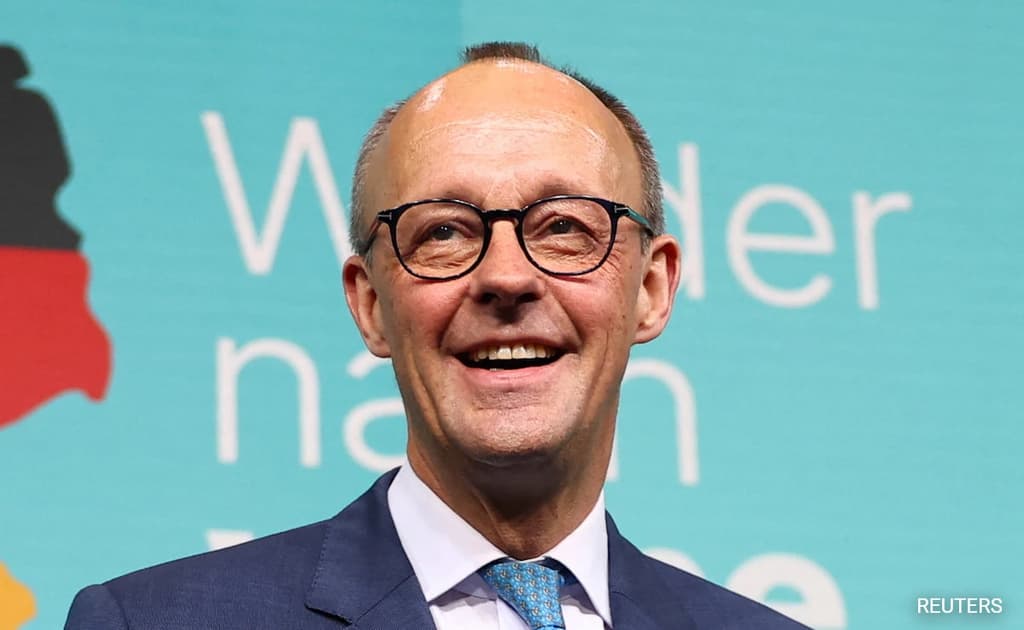
Recent state election defeats have intensified pressure on Chancellor Friedrich Merz's leadership of the CDU-SPD coalition. On September 20, 2026, the CDU recorded its worst postwar result in Mecklenburg-Vorpommern, falling below the 5% threshold for the first time and allowing the AfD to finish first; similar losses occurred in Berlin to Die Linke, following another AfD surge in Saxony-Anhalt two weeks earlier. Merz's approval ratings remain near historic lows amid voter concerns over economic stagnation, taxes, pensions, and bureaucracy. He has pledged to continue with reforms and keep the coalition intact, with party figures offering conditional backing and no formal challenge launched. AfD leaders and some analysts have raised the prospect of a mid-term "chancellor swap," though coalition partners have signaled continued cooperation for now.
Eksperymentalne podsumowanie AI odwołujące się do danych Polymarket. To nie jest porada handlowa i nie ma wpływu na rozstrzyganie tego rynku. · ZaktualizowanoNo official resignation announced by Chancellor Merz after election setbacks
December 31, 2026 jumps to 23%6%
Following the September elections and intense speculation, Merz did not resign, maintaining his position as Chancellor, which led to a partial recovery in market confidence for his continued tenure.
Chancellor Merz vows to stay in office after historic state election defeats
September 30, 2026 rises to 6%1%
Following severe losses in Berlin and Mecklenburg-Western Pomerania state elections, Merz publicly committed to remain Chancellor and continue reforms, defying calls for his resignation. This statement temporarily stabilized market expectations about his tenure.


Uważaj na linki zewnętrzne.
Uważaj na linki zewnętrzne.
Często zadawane pytania