

Houthi forces seized control of Yemen’s southern Red Sea coast, including Mokha port, the Hanish Islands, and Perim Island in the Bab el-Mandeb’s narrowest section during a rapid advance on September 10–11, 2026. This gives the group terrain on both shores and the ability to monitor or interdict traffic at the 20-kilometer-wide chokepoint. Shipping volumes through the strait fell sharply in the immediate aftermath, with some days showing roughly half the prior daily transits, though vessels continue to move—particularly non-Saudi-linked carriers—under elevated war-risk premiums and voluntary routing adjustments. Major lines have resumed limited Suez services while others maintain Cape of Good Hope diversions, and no international authority has declared a formal closure. The situation remains volatile, with UN statements highlighting risks to freedom of navigation and potential for further escalation tied to broader regional dynamics.
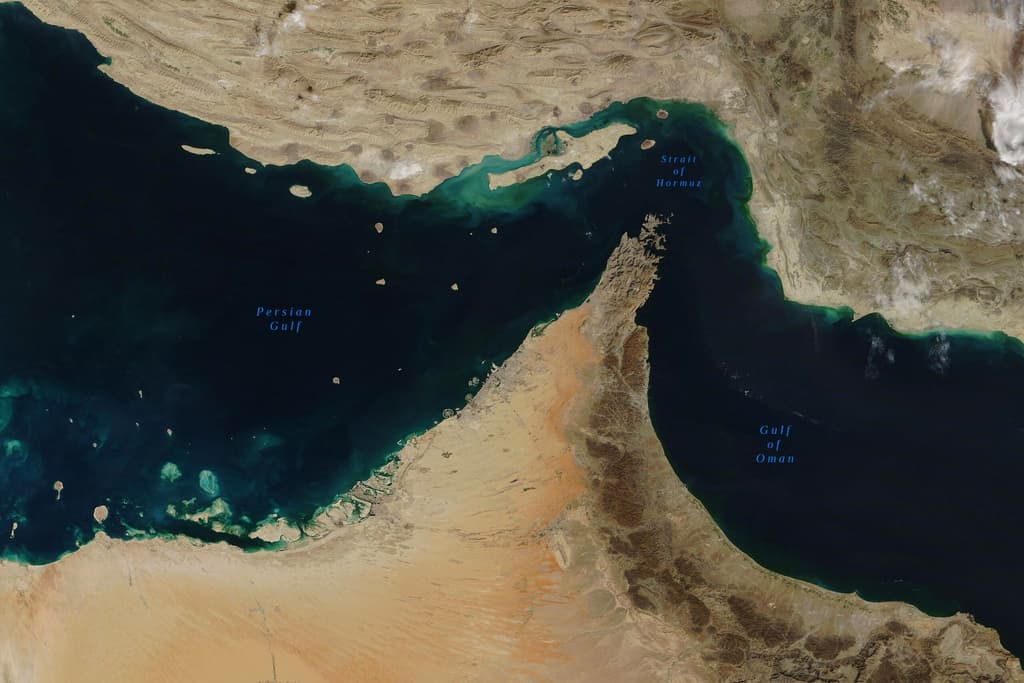
สรุปจาก AI ทดลองที่อ้างอิงข้อมูลจาก Polymarket ไม่ใช่คำแนะนำในการเทรดและไม่มีผลต่อการตัดสินตลาดนี้ · อัปเดตแล้วStrait of Hormuz remains closed by Iran; Bab el-Mandeb under Houthi control but open to non-Saudi vessels
As of September 18, Iran's closure of the Strait of Hormuz continued, while Houthis controlled Bab el-Mandeb, allowing navigation except for Saudi vessels. This selective blockade maintained transit above closure thresholds, influencing market pricing toward no full closure.
Iran declares Strait of Hormuz closed; Houthis control Bab el-Mandeb navigation with restrictions
September 15 dips to 0%1%
Iran officially closed the Strait of Hormuz, while Houthi forces controlled navigation through Bab el-Mandeb, allowing passage for all except Saudi vessels, maintaining partial openness but increasing regional tensions.
ระวังลิงก์ภายนอก
ระวังลิงก์ภายนอก
คำถามที่พบบ่อย