Um in den USA zu traden, geh zu polymarket.us

icon for What will the NYT front-page headlines say this week? (September 14 - September 20)

What will the NYT front-page headlines say this week? (September 14 - September 20)

icon for What will the NYT front-page headlines say this week? (September 14 - September 20)

What will the NYT front-page headlines say this week? (September 14 - September 20)

$9,189 Vol.

20. Sep. 2026
Polymarket

$9,189 Vol.

Polymarket

Trump

$882 Vol.

Yes

Putin

$244 Vol.

No

Vote / Voter / Votes

$991 Vol.

Yes

Space

$1,036 Vol.

Yes

Blockade

$594 Vol.

No

Peace

$640 Vol.

Yes

Woman

$243 Vol.

Yes

Oil / Gas / Gasoline

$1,051 Vol.

No

AI / Artificial Intelligence

$628 Vol.

Yes

Laptop

$922 Vol.

No

Risk / Risked

$416 Vol.

Yes

Poverty

$174 Vol.

No

Lawyer

$571 Vol.

No

Ireland / Irish

$301 Vol.

No

Golf / Golfer

$494 Vol.

No

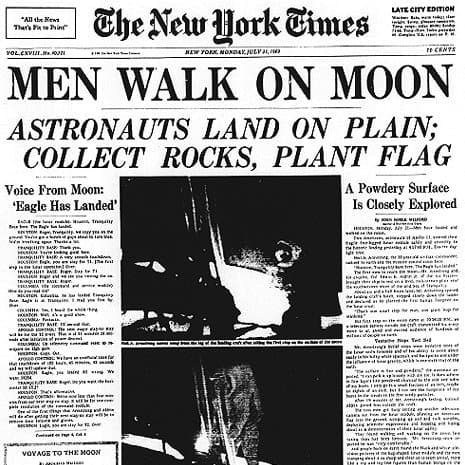
This market will resolve to “Yes” if the listed term is included in a headline on the New York Times front page between September 14 and September 20, 2026. Otherwise, this market will resolve to “No”. A headline is defined as the bolded or enlarged text directly preceding each article, previewing the article’s content and typically separated from the article’s text by a black line and byline. The primary headline for each story is the headline for that story with the largest text, typically appearing in bold font and above any other headlines or text for that article. Sub-headlines, defined as additional bolded or enlarged text not separated from the primary headline by any text, will count, whether they appear before the byline or are partially surrounded by the article text but still adjacent to the primary headline. Pull quotes, however, or any bolded text not adjacent to the primary headline, will not count. Banner headlines, defined as front-page headlines bordered on the sides only by white space, will count. Image captions, article text, or any other text that does not constitute a headline, will not qualify. Any plural or possessive forms of a listed term, as well as variations in capitalization, will count toward the resolution of this market, regardless of context. Other forms of the listed term will not count. Misspellings or iterations of the listed term, including all slang forms, will not count toward a “Yes” resolution, regardless of context or intent. If the listed term appears as part of a compound word, usage of that compound word qualifies, provided the listed term remains a distinct component of the compound. This does not include suffixes, prefixes, alternative tenses, or grammatical variations that alter the root word. (E.g. if the listed term is joy, killjoy qualifies but joyful does not. E.g. if the listed term is sun, sunflower qualifies but sunny does not.) If the listed term is part of a hyphenated compound, use of that hyphenated compound will qualify. For example, if the listed term is “NATO,” “pro-NATO” and “anti-NATO” qualify. If the listed term has non-standard transliterations into English, such transliterations will qualify if they are phonetically equivalent. For example, if the listed term is “Erdogan,” “Erdoğan” qualifies. If the listed term is “Zelensky,” “Zelenskiy” qualifies. If the listed term is an abbreviation, periodized forms of that abbreviation will qualify. For example, if the listed term is “AI,” “A.I.” qualifies. However, extraneous symbols inserted into a word (e.g. r@d1cal for “radical”) will disqualify it from counting toward a “Yes” resolution. This market only pertains to the daily New York edition prints of the New York Times, also available at https://nytimes.pressreader.com/the-new-york-times/. Only the first official release of a qualifying front page will be counted. Any subsequent releases that differ from the initial release will not be considered. Other editions will not be considered. You can find an example of what counts here: https://polymarket-upload.s3.us-east-2.amazonaws.com/nyt-headlines.jpeg.Ongoing Middle East tensions, including Houthi advances in Yemen and developments in the 2026 Iran war alongside Strait of Hormuz incidents, have dominated recent coverage and likely anchor NYT front-page focus this week. U.S. political angles, such as Trump administration sanctions on Russia and Iran, media access disputes, and Supreme Court rulings on voting procedures, add domestic momentum. AI narratives—ranging from industry calls for oversight by leaders like Dario Amodei to Trump dismissing related fears as a hoax—provide a parallel cultural and tech storyline with strong trader appeal. The start of the 2026 Asian Games and scattered global incidents offer secondary context, though geopolitical and policy beats appear positioned to lead given their continuity and immediacy.

This market will resolve to “Yes” if the listed term is included in a headline on the New York Times front page between September 14 and September 20, 2026. Otherwise, this market will resolve to “No”.

A headline is defined as the bolded or enlarged text directly preceding each article, previewing the article’s content and typically separated from the article’s text by a black line and byline. The primary headline for each story is the headline for that story with the largest text, typically appearing in bold font and above any other headlines or text for that article.

Sub-headlines, defined as additional bolded or enlarged text not separated from the primary headline by any text, will count, whether they appear before the byline or are partially surrounded by the article text but still adjacent to the primary headline. Pull quotes, however, or any bolded text not adjacent to the primary headline, will not count.

Banner headlines, defined as front-page headlines bordered on the sides only by white space, will count.

Image captions, article text, or any other text that does not constitute a headline, will not qualify.

Any plural or possessive forms of a listed term, as well as variations in capitalization, will count toward the resolution of this market, regardless of context. Other forms of the listed term will not count.

Misspellings or iterations of the listed term, including all slang forms, will not count toward a “Yes” resolution, regardless of context or intent.

If the listed term appears as part of a compound word, usage of that compound word qualifies, provided the listed term remains a distinct component of the compound. This does not include suffixes, prefixes, alternative tenses, or grammatical variations that alter the root word. (E.g. if the listed term is joy, killjoy qualifies but joyful does not. E.g. if the listed term is sun, sunflower qualifies but sunny does not.)

If the listed term is part of a hyphenated compound, use of that hyphenated compound will qualify. For example, if the listed term is “NATO,” “pro-NATO” and “anti-NATO” qualify.

If the listed term has non-standard transliterations into English, such transliterations will qualify if they are phonetically equivalent. For example, if the listed term is “Erdogan,” “Erdoğan” qualifies. If the listed term is “Zelensky,” “Zelenskiy” qualifies.

If the listed term is an abbreviation, periodized forms of that abbreviation will qualify. For example, if the listed term is “AI,” “A.I.” qualifies. However, extraneous symbols inserted into a word (e.g. r@d1cal for “radical”) will disqualify it from counting toward a “Yes” resolution.

This market only pertains to the daily New York edition prints of the New York Times, also available at https://nytimes.pressreader.com/the-new-york-times/. Only the first official release of a qualifying front page will be counted. Any subsequent releases that differ from the initial release will not be considered. Other editions will not be considered. You can find an example of what counts here: https://polymarket-upload.s3.us-east-2.amazonaws.com/nyt-headlines.jpeg.
This market will resolve to “Yes” if the listed term is included in a headline on the New York Times front page between September 14 and September 20, 2026. Otherwise, this market will resolve to “No”. A headline is defined as the bolded or enlarged text directly preceding each article, previewing the article’s content and typically separated from the article’s text by a black line and byline. The primary headline for each story is the headline for that story with the largest text, typically appearing in bold font and above any other headlines or text for that article. Sub-headlines, defined as additional bolded or enlarged text not separated from the primary headline by any text, will count, whether they appear before the byline or are partially surrounded by the article text but still adjacent to the primary headline. Pull quotes, however, or any bolded text not adjacent to the primary headline, will not count. Banner headlines, defined as front-page headlines bordered on the sides only by white space, will count. Image captions, article text, or any other text that does not constitute a headline, will not qualify. Any plural or possessive forms of a listed term, as well as variations in capitalization, will count toward the resolution of this market, regardless of context. Other forms of the listed term will not count. Misspellings or iterations of the listed term, including all slang forms, will not count toward a “Yes” resolution, regardless of context or intent. If the listed term appears as part of a compound word, usage of that compound word qualifies, provided the listed term remains a distinct component of the compound. This does not include suffixes, prefixes, alternative tenses, or grammatical variations that alter the root word. (E.g. if the listed term is joy, killjoy qualifies but joyful does not. E.g. if the listed term is sun, sunflower qualifies but sunny does not.) If the listed term is part of a hyphenated compound, use of that hyphenated compound will qualify. For example, if the listed term is “NATO,” “pro-NATO” and “anti-NATO” qualify. If the listed term has non-standard transliterations into English, such transliterations will qualify if they are phonetically equivalent. For example, if the listed term is “Erdogan,” “Erdoğan” qualifies. If the listed term is “Zelensky,” “Zelenskiy” qualifies. If the listed term is an abbreviation, periodized forms of that abbreviation will qualify. For example, if the listed term is “AI,” “A.I.” qualifies. However, extraneous symbols inserted into a word (e.g. r@d1cal for “radical”) will disqualify it from counting toward a “Yes” resolution. This market only pertains to the daily New York edition prints of the New York Times, also available at https://nytimes.pressreader.com/the-new-york-times/. Only the first official release of a qualifying front page will be counted. Any subsequent releases that differ from the initial release will not be considered. Other editions will not be considered. You can find an example of what counts here: https://polymarket-upload.s3.us-east-2.amazonaws.com/nyt-headlines.jpeg.
Volumen
$9,189
Enddatum
20. Sep. 2026
Markt eröffnet
Sep 11, 2026, 8:11 PM ET

Vorgeschlagenes Ergebnis: Yes

Kein Einspruch

Endgültiges Ergebnis: Yes

This market will resolve to “Yes” if the listed term is included in a headline on the New York Times front page between September 14 and September 20, 2026. Otherwise, this market will resolve to “No”. A headline is defined as the bolded or enlarged text directly preceding each article, previewing the article’s content and typically separated from the article’s text by a black line and byline. The primary headline for each story is the headline for that story with the largest text, typically appearing in bold font and above any other headlines or text for that article. Sub-headlines, defined as additional bolded or enlarged text not separated from the primary headline by any text, will count, whether they appear before the byline or are partially surrounded by the article text but still adjacent to the primary headline. Pull quotes, however, or any bolded text not adjacent to the primary headline, will not count. Banner headlines, defined as front-page headlines bordered on the sides only by white space, will count. Image captions, article text, or any other text that does not constitute a headline, will not qualify. Any plural or possessive forms of a listed term, as well as variations in capitalization, will count toward the resolution of this market, regardless of context. Other forms of the listed term will not count. Misspellings or iterations of the listed term, including all slang forms, will not count toward a “Yes” resolution, regardless of context or intent. If the listed term appears as part of a compound word, usage of that compound word qualifies, provided the listed term remains a distinct component of the compound. This does not include suffixes, prefixes, alternative tenses, or grammatical variations that alter the root word. (E.g. if the listed term is joy, killjoy qualifies but joyful does not. E.g. if the listed term is sun, sunflower qualifies but sunny does not.) If the listed term is part of a hyphenated compound, use of that hyphenated compound will qualify. For example, if the listed term is “NATO,” “pro-NATO” and “anti-NATO” qualify. If the listed term has non-standard transliterations into English, such transliterations will qualify if they are phonetically equivalent. For example, if the listed term is “Erdogan,” “Erdoğan” qualifies. If the listed term is “Zelensky,” “Zelenskiy” qualifies. If the listed term is an abbreviation, periodized forms of that abbreviation will qualify. For example, if the listed term is “AI,” “A.I.” qualifies. However, extraneous symbols inserted into a word (e.g. r@d1cal for “radical”) will disqualify it from counting toward a “Yes” resolution. This market only pertains to the daily New York edition prints of the New York Times, also available at https://nytimes.pressreader.com/the-new-york-times/. Only the first official release of a qualifying front page will be counted. Any subsequent releases that differ from the initial release will not be considered. Other editions will not be considered. You can find an example of what counts here: https://polymarket-upload.s3.us-east-2.amazonaws.com/nyt-headlines.jpeg.Ongoing Middle East tensions, including Houthi advances in Yemen and developments in the 2026 Iran war alongside Strait of Hormuz incidents, have dominated recent coverage and likely anchor NYT front-page focus this week. U.S. political angles, such as Trump administration sanctions on Russia and Iran, media access disputes, and Supreme Court rulings on voting procedures, add domestic momentum. AI narratives—ranging from industry calls for oversight by leaders like Dario Amodei to Trump dismissing related fears as a hoax—provide a parallel cultural and tech storyline with strong trader appeal. The start of the 2026 Asian Games and scattered global incidents offer secondary context, though geopolitical and policy beats appear positioned to lead given their continuity and immediacy.

This market will resolve to “Yes” if the listed term is included in a headline on the New York Times front page between September 14 and September 20, 2026. Otherwise, this market will resolve to “No”.

A headline is defined as the bolded or enlarged text directly preceding each article, previewing the article’s content and typically separated from the article’s text by a black line and byline. The primary headline for each story is the headline for that story with the largest text, typically appearing in bold font and above any other headlines or text for that article.

Sub-headlines, defined as additional bolded or enlarged text not separated from the primary headline by any text, will count, whether they appear before the byline or are partially surrounded by the article text but still adjacent to the primary headline. Pull quotes, however, or any bolded text not adjacent to the primary headline, will not count.

Banner headlines, defined as front-page headlines bordered on the sides only by white space, will count.

Image captions, article text, or any other text that does not constitute a headline, will not qualify.

Any plural or possessive forms of a listed term, as well as variations in capitalization, will count toward the resolution of this market, regardless of context. Other forms of the listed term will not count.

Misspellings or iterations of the listed term, including all slang forms, will not count toward a “Yes” resolution, regardless of context or intent.

If the listed term appears as part of a compound word, usage of that compound word qualifies, provided the listed term remains a distinct component of the compound. This does not include suffixes, prefixes, alternative tenses, or grammatical variations that alter the root word. (E.g. if the listed term is joy, killjoy qualifies but joyful does not. E.g. if the listed term is sun, sunflower qualifies but sunny does not.)

If the listed term is part of a hyphenated compound, use of that hyphenated compound will qualify. For example, if the listed term is “NATO,” “pro-NATO” and “anti-NATO” qualify.

If the listed term has non-standard transliterations into English, such transliterations will qualify if they are phonetically equivalent. For example, if the listed term is “Erdogan,” “Erdoğan” qualifies. If the listed term is “Zelensky,” “Zelenskiy” qualifies.

If the listed term is an abbreviation, periodized forms of that abbreviation will qualify. For example, if the listed term is “AI,” “A.I.” qualifies. However, extraneous symbols inserted into a word (e.g. r@d1cal for “radical”) will disqualify it from counting toward a “Yes” resolution.

This market only pertains to the daily New York edition prints of the New York Times, also available at https://nytimes.pressreader.com/the-new-york-times/. Only the first official release of a qualifying front page will be counted. Any subsequent releases that differ from the initial release will not be considered. Other editions will not be considered. You can find an example of what counts here: https://polymarket-upload.s3.us-east-2.amazonaws.com/nyt-headlines.jpeg.
This market will resolve to “Yes” if the listed term is included in a headline on the New York Times front page between September 14 and September 20, 2026. Otherwise, this market will resolve to “No”. A headline is defined as the bolded or enlarged text directly preceding each article, previewing the article’s content and typically separated from the article’s text by a black line and byline. The primary headline for each story is the headline for that story with the largest text, typically appearing in bold font and above any other headlines or text for that article. Sub-headlines, defined as additional bolded or enlarged text not separated from the primary headline by any text, will count, whether they appear before the byline or are partially surrounded by the article text but still adjacent to the primary headline. Pull quotes, however, or any bolded text not adjacent to the primary headline, will not count. Banner headlines, defined as front-page headlines bordered on the sides only by white space, will count. Image captions, article text, or any other text that does not constitute a headline, will not qualify. Any plural or possessive forms of a listed term, as well as variations in capitalization, will count toward the resolution of this market, regardless of context. Other forms of the listed term will not count. Misspellings or iterations of the listed term, including all slang forms, will not count toward a “Yes” resolution, regardless of context or intent. If the listed term appears as part of a compound word, usage of that compound word qualifies, provided the listed term remains a distinct component of the compound. This does not include suffixes, prefixes, alternative tenses, or grammatical variations that alter the root word. (E.g. if the listed term is joy, killjoy qualifies but joyful does not. E.g. if the listed term is sun, sunflower qualifies but sunny does not.) If the listed term is part of a hyphenated compound, use of that hyphenated compound will qualify. For example, if the listed term is “NATO,” “pro-NATO” and “anti-NATO” qualify. If the listed term has non-standard transliterations into English, such transliterations will qualify if they are phonetically equivalent. For example, if the listed term is “Erdogan,” “Erdoğan” qualifies. If the listed term is “Zelensky,” “Zelenskiy” qualifies. If the listed term is an abbreviation, periodized forms of that abbreviation will qualify. For example, if the listed term is “AI,” “A.I.” qualifies. However, extraneous symbols inserted into a word (e.g. r@d1cal for “radical”) will disqualify it from counting toward a “Yes” resolution. This market only pertains to the daily New York edition prints of the New York Times, also available at https://nytimes.pressreader.com/the-new-york-times/. Only the first official release of a qualifying front page will be counted. Any subsequent releases that differ from the initial release will not be considered. Other editions will not be considered. You can find an example of what counts here: https://polymarket-upload.s3.us-east-2.amazonaws.com/nyt-headlines.jpeg.
Volumen
$9,189
Enddatum
20. Sep. 2026
Markt eröffnet
Sep 11, 2026, 8:11 PM ET

Vorgeschlagenes Ergebnis: Yes

Kein Einspruch

Endgültiges Ergebnis: Yes

Vorsicht bei externen Links.

Häufig gestellte Fragen

„What will the NYT front-page headlines say this week? (September 14 - September 20)" ist ein Prognosemarkt auf Polymarket mit 15 möglichen Ergebnissen, bei dem Händler Anteile auf Basis ihrer Einschätzung kaufen und verkaufen. Das aktuell führende Ergebnis ist „Trump" mit 100%, gefolgt von „Vote / Voter / Votes" mit 100%. Die Preise spiegeln Echtzeit-Wahrscheinlichkeiten der Community wider. Ein Anteilspreis von 100¢ bedeutet, dass der Markt diesem Ergebnis eine Wahrscheinlichkeit von 100% zuweist. Diese Quoten ändern sich laufend, wenn Händler auf neue Entwicklungen reagieren. Anteile am richtigen Ergebnis können bei Marktauflösung für jeweils $1 eingelöst werden.

„What will the NYT front-page headlines say this week? (September 14 - September 20)" ist ein neu erstellter Markt auf Polymarket, gestartet am Sep 11, 2026. Als früher Markt haben Sie die Gelegenheit, zu den ersten Händlern zu gehören, die die Quoten setzen und die ersten Preissignale des Marktes etablieren. Sie können diese Seite auch als Lesezeichen speichern, um Volumen und Handelsaktivität zu verfolgen, während der Markt an Fahrt gewinnt.

Um auf „What will the NYT front-page headlines say this week? (September 14 - September 20)" zu handeln, durchsuchen Sie die 15 verfügbaren Ergebnisse auf dieser Seite. Jedes Ergebnis zeigt einen aktuellen Preis, der die implizierte Wahrscheinlichkeit des Marktes darstellt. Um eine Position einzunehmen, wählen Sie das Ergebnis, das Sie für am wahrscheinlichsten halten, wählen Sie „Ja" um dafür oder „Nein" um dagegen zu handeln, geben Sie Ihren Betrag ein und klicken Sie auf „Handeln". Liegt Ihr gewähltes Ergebnis bei Marktauflösung richtig, zahlen Ihre „Ja"-Anteile jeweils $1 aus. Liegt es falsch, zahlen sie $0. Sie können Ihre Anteile auch jederzeit vor der Auflösung verkaufen.

Der aktuelle Favorit für „What will the NYT front-page headlines say this week? (September 14 - September 20)" ist „Trump" mit 100%, was bedeutet, dass der Markt diesem Ergebnis eine Wahrscheinlichkeit von 100% zuweist. Das nächstliegende Ergebnis ist „Vote / Voter / Votes" mit 100%. Diese Quoten werden in Echtzeit aktualisiert, wenn Händler Anteile kaufen und verkaufen. Schauen Sie regelmäßig vorbei oder speichern Sie diese Seite als Lesezeichen.

Die Auflösungsregeln für „What will the NYT front-page headlines say this week? (September 14 - September 20)" definieren genau, was passieren muss, damit jedes Ergebnis als Gewinner erklärt wird – einschließlich der offiziellen Datenquellen zur Bestimmung des Ergebnisses. Sie können die vollständigen Auflösungskriterien im Abschnitt „Regeln" auf dieser Seite über den Kommentaren einsehen. Wir empfehlen, die Regeln vor dem Handeln sorgfältig zu lesen, da sie die genauen Bedingungen, Sonderfälle und Quellen festlegen.