
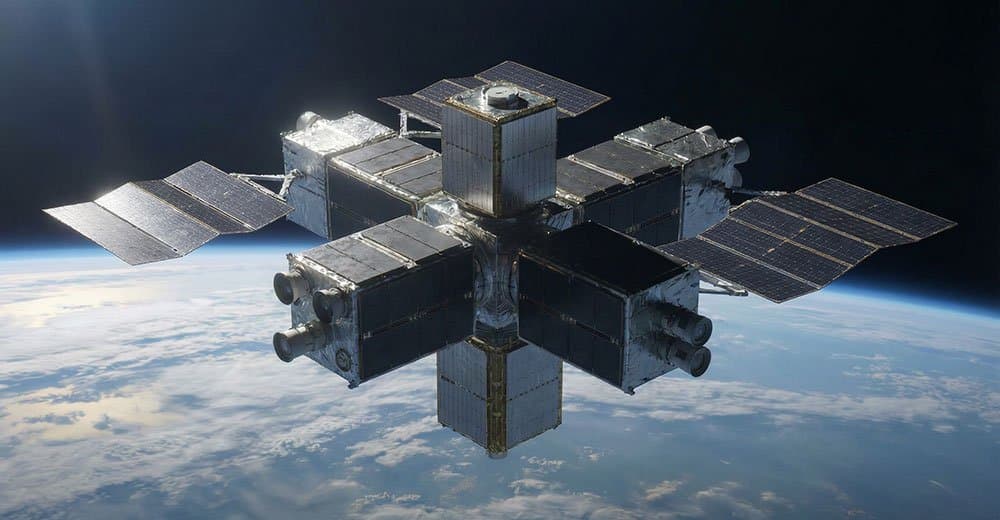
Google’s October 1 launch of its Project Suncatcher prototype—carrying just four Trillium TPUs aboard a SpaceX rideshare—underscores why traders assign only a 2% chance of an orbital AI data center meeting the 100-accelerator threshold by end-2026. Earlier single-chip tests from Starcloud (Nvidia H100, late 2025) and smaller Chinese or Axiom nodes similarly fall short of data-center scale. Larger ambitions, including SpaceX’s FCC filing for up to one million compute satellites and Google’s planned 2027 follow-ons, face steep barriers in launch economics, vacuum cooling, radiation hardening, and inter-satellite optical links. The 25% implied probability for a 2027 resolution reflects credible hardware progress and regulatory pilots, yet traders recognize that moving from refrigerator-sized prototypes to constellations delivering meaningful AI inference or training remains a multi-year engineering and capital challenge.
基于Polymarket数据的AI实验性摘要。这不是交易建议,也不影响该市场的结算方式。 · 更新于View resolved
警惕外部链接哦。
警惕外部链接哦。
常见问题